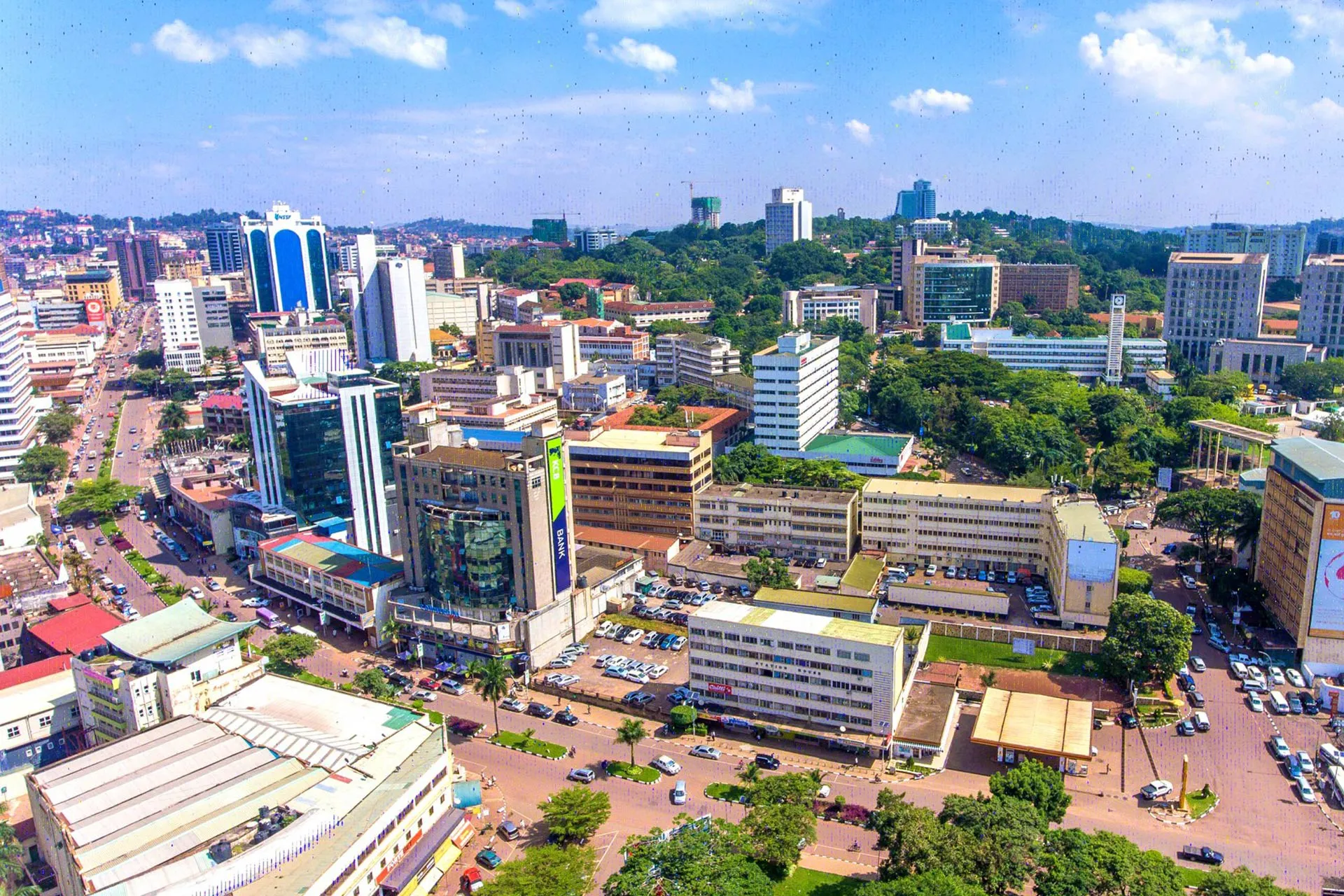
Greater Kampala’s residential land market is one of the most active in East Africa, and the neighbourhood you choose to invest in shapes everything that follows: the quality of your rental income, the pace of your capital appreciation, the ease of your eventual exit, and the practical livability of anything you build. Choosing well requires more than following popular opinion — it requires understanding what actually drives value in each corridor and matching that to your specific investment objective.
This guide ranks twenty Greater Kampala areas for residential land investment, ordered by the strength of their fundamentals: location and connectivity, current pricing, demand depth, development potential, and market trajectory. The list is honest about each area’s limitations alongside its strengths. No area is ranked higher than it deserves, and none is excluded because it is unfashionable.
All prices are quoted in USD. For guidance on financing any land purchase covered in this guide, our Uganda Mortgage Guide covers available loan products and eligibility. For the full end-to-end process of buying land in Uganda, our Uganda Property Buying Guide covers every stage from search to title transfer.
Looking For Our Services?
Choose your option below:
1. Kira Municipality
Kira leads this ranking because it combines the three qualities that matter most in residential land investment: depth of demand, breadth of housing price points, and genuine infrastructure maturity. As Uganda’s second largest urban centre by population, Kira Municipality administers a market approaching 500,000 residents across sub-areas including Nsasa, Mulawa, Bulindo, Kitukutwe, and Kimwanyi — each with its own pricing tier and development dynamic.
Residential plots in well-connected Kira sub-areas range from $18,000 to $55,000 for standard 25-decimal parcels, with larger development sites priced proportionally. The municipality has hospitals, quality schools, established commercial strips, and a mains water and electricity infrastructure that reduces the utility setup cost for new development. Gross rental yields of 7% to 10% on well-managed properties are consistently documented. For investors who prioritise liquidity alongside returns, Kira is the benchmark against which every other area on this list is measured.
Read our complete Kira Real Estate Investment Guide for detailed sub-area pricing and development analysis.
2. Kyanja
Kyanja has built a reputation as one of Greater Kampala’s most desirable suburban residential addresses — a community where the housing stock has progressively moved upmarket, the tenant profile has followed, and land values have risen accordingly. Its position in the northeastern belt, with good road connectivity via the Northern Bypass and the Naalya route, gives residents practical access to central Kampala while enjoying a quieter, lower-density environment than the main Kira corridors immediately to the north.
Standard 25-decimal residential plots in Kyanja range from $22,000 to $55,000. The Ring Road sub-area has attracted substantial quality development — gated communities, properly finished apartment blocks, and standalone family homes that set a construction standard the surrounding market reinforces. Rental demand from professionals and established families keeps vacancy low and yields consistent. For investors building at the mid-to-upper tier of the residential market, Kyanja’s land economics and tenant quality are a reliable combination.
Our full Kyanja Real Estate Guide covers every sub-area with current pricing and development analysis. For buyers comparing Kyanja and Kira directly, our Kyanja vs. Kira Rental Investment Comparison provides a structured head-to-head assessment.
3. Najjera
Najjera is the northeastern belt’s most consistent mid-market land investment address — twelve kilometres from the CBD within Kira Municipality, sitting between two of Kampala’s most active road corridors and serving a tenant base of working professionals whose demand for quality rental housing has been stable and growing for over a decade. The community completed its transition from emerging suburb to established neighbourhood several years ago and now offers investors the combination of accessible entry prices and reliable demand that emerging markets promise but rarely deliver.
Residential plots in Najjera range from $18,000 to $45,000 for 12 to 25-decimal parcels. Development land for apartment blocks is available at economics that support rental yields of 7% to 10% — among the strongest documented figures in Greater Kampala. Two major access road upgrades in the area — the Kiwatule–Najjera–Kira road and the Kyanja–Kungu–Najjera road, both nearing completion as of 2026 — are projected to drive a further 10% to 15% in land value appreciation as improved tarmac access is absorbed into market pricing.
Our comprehensive Najjera Real Estate Investment Guide covers all sub-areas, current pricing, and the full rental market in detail.
4. Bwebajja (Entebbe Road)
Bwebajja is the Entebbe Road corridor’s most mature mid-market land investment address — a community where the Akright Estate development has anchored construction quality standards for the surrounding area, infrastructure is reliable, and Lake Victoria proximity is a genuine, not aspirational, feature of land in several sub-sections. The community has moved well past the speculative phase into a market where demand is real, consistent, and drawn from a tenant profile that includes both quality Ugandan professionals and the international community working along the Entebbe corridor.
Standard residential plot prices in Bwebajja range from $19,000 to $35,000 per 25 decimals. Lakefront acreage — parcels with genuine Lake Victoria access or frontage — ranges from $80,000 to $130,000 per acre depending on shore quality, title status, and road access. The Entebbe Expressway has compressed journey times to central Kampala to 25 to 40 minutes under most conditions, making Bwebajja a practical commuter address rather than a weekend-only proposition.
Our complete Bwebajja Real Estate Guide covers Akright Estate, lakefront investment opportunities, and the full rental and resale market in depth.
5. Kitende (Entebbe Road)
Kitende is one of the Entebbe Road corridor’s most complete residential land markets, spanning five distinct sub-areas — Kitovu, Lumuli, Sekuwunga, Kagga, and Mazzi — that collectively offer investment options from accessible mid-market residential plots to premium lake-view and lakefront development land. Each sub-area has developed a distinct character and attracts a specific buyer profile, giving investors genuine choice within a single community boundary.
Residential plot prices across Kitende’s sub-areas range from $22,000 to $65,000 per 25 decimals in standard positions. Lake-view and lakefront plots command meaningful premiums above this range, reflecting the genuine scarcity of quality titled land in those positions. Construction standards across Kitende have risen considerably as the community has matured — the tenant profile that the area now attracts demands and rewards high-quality development, which in turn supports the rental income levels that justify premium land prices.
Read our full Kitende Real Estate Guide for sub-area-by-sub-area pricing and investment analysis across all five zones.
Looking For Our Services?
Choose your option below:
6. Munyonyo and Kigo
Munyonyo and Kigo together represent the most prestigious lakeside land investment addresses in Greater Kampala — communities where Lake Victoria is not a marketing concept but a physical reality that defines the character of every plot, drives the premium pricing, and attracts a buyer and tenant segment that Uganda’s broader property market cannot match anywhere else. Munyonyo’s established hospitality infrastructure — anchored by the Speke Resort and marina — gives it an urban lakeside character unique in Uganda. Kigo, quieter and more secluded, offers larger parcels and a more private residential environment for buyers who want lake access without the activity of Munyonyo’s hotel and resort strip.
Lakefront land in Munyonyo trades at $200,000 per acre and above for established positions. Kigo lakefront land is available at a discount to Munyonyo — typically $120,000 to $180,000 per acre depending on shoreline quality and road access — representing a meaningful entry into the premium lake corridor for buyers who cannot yet access Munyonyo pricing. Both communities are subject to the 100-metre shoreline reserve requirement, and buyers must commission formal surveys to establish the developable area of any lakefront parcel before committing to a transaction.
For land tenure guidance relevant to any lakeside purchase in this corridor, our Freehold Land Guide and Mailo Land Guide are essential reading before proceeding with any transaction.
7. Kiwatule
Kiwatule occupies a genuinely privileged position in Greater Kampala’s northeastern belt — within Nakawa Division at the boundary of Kampala city and Kira Municipality, close enough to the CBD (20 to 35 minutes by road) to attract professionals who need city connectivity, far enough out for land economics to support viable residential development. The corridor between Kiwatule, Naalya, and Kyanja has become one of the most sought-after residential belts in Greater Kampala, driven by a tenant base of professionals and young families who value the balance of city access and suburban calm.
Standard residential plots in Kiwatule range from $20,000 to $55,000 per 25 decimals depending on location, road access, and title. The apartment development market is particularly active — developers consistently find that new units are absorbed quickly by a deep tenant pool that keeps vacancy low and yield profiles strong. Commercial land along the main Kiwatule road corridor commands additional premium from investors targeting mixed-use development.
Our complete Kiwatule Real Estate Guide covers sub-area pricing and the commercial property market in detail.
8. Ntinda
Ntinda is one of Kampala’s most established inner-suburban land markets — 8 kilometres northeast of the CBD with 15 to 25-minute road access under normal conditions. Land here is not cheap: residential plots range from $35,000 to $80,000 per 25 decimals, and the premium is real rather than notional, reflecting the depth of demand that this location generates from professionals, diplomatic tenants, and quality-conscious owner-occupiers who value genuine city proximity above all other factors.
For investors, Ntinda’s premium entry price buys three things that cheaper peripheral markets cannot guarantee: tenant quality at the top of the professional market, rental floor stability that holds even in softer economic conditions, and resale liquidity that means a well-built Ntinda property can be sold or re-let quickly. Gross rental yields of 5% to 8% are lower than the broader Kira–Najjera corridor, but the risk profile is correspondingly lower and the asset quality is higher. Ntinda rewards investors who build to high standards and manage properties professionally.
9. Seguku and Lubowa (Entebbe Road)
Seguku and Lubowa together form the premium residential land belt of the Entebbe Road corridor — where Uganda’s diplomatic and senior international professional community lives, where gated estates set the standard for quality suburban development, and where tenant rental budgets are the highest available in any suburban Kampala market. Seguku is more established and estate-oriented; Lubowa is slightly more open, with larger parcel availability for buyers seeking custom development opportunities on well-sized plots.
Residential plot prices across Seguku and Lubowa range from $35,000 to $90,000 per 25 decimals, with premium estate positions commanding the upper end. Development here must meet high construction standards to attract the tenant profile that makes the economics work — international organisations, embassies, and multinationals with housing budgets that support monthly rents of $2,500 to $6,000 and above for quality, well-positioned properties.
Our full Seguku Real Estate Guide covers the complete market across both communities with detailed sub-area and pricing analysis.
10. Muyenga
Muyenga is among Kampala’s most prestigious established residential addresses — a hillside community south of the city centre with panoramic views over Kampala and Lake Victoria on the horizon, mature tree coverage, quiet access roads, and a long-established reputation as home to Kampala’s diplomatic corps, senior business executives, and high-income families. The environment here is genuinely exceptional: private, green, and removed from the noise and congestion of the city in a way that most Kampala suburbs cannot credibly claim.
Residential plots in Muyenga range from $60,000 to $150,000 per 25 decimals in the most desirable hillside positions with clear city and lake views. The premium reflects a real scarcity — the hillside land that defines Muyenga’s reputation is finite, and as it is developed and held, supply tightens permanently. For investors building for the diplomatic and senior corporate tenant market, Muyenga’s returns are excellent and vacancy risk is consistently low.
11. Namulanda (Entebbe Road)
Namulanda sits in the section of Entebbe Road between the busier commercial zones north of the expressway and the more established lakeside communities to the south — a positioning that gives it the Entebbe Road lifestyle package (expressway access, lake proximity, airport adjacency) at land prices that remain considerably below Kitende, Bwebajja, or Seguku. For investors who want a foothold on the Entebbe Road corridor without the full capital commitment of the corridor’s more established addresses, Namulanda is a credible and increasingly active entry point.
Residential plot prices in Namulanda range from $15,000 to $35,000 per 25 decimals depending on road access and title status. The community’s social infrastructure — schools, healthcare, and daily commercial services — is less developed than in Bwebajja or Kitende, which is the primary source of its accessible pricing and the main consideration for investors who need immediate strong rental income from new development. For buyers with a medium-term outlook of three to seven years, the value proposition as the corridor matures southward is meaningful. Land banking at today’s prices, ahead of continued southward development pressure, is a credible strategy for patient investors.
12. Gayaza Corridor
The Gayaza corridor — encompassing Nakwero, Manyangwa, Busukuma, Kiwenda, Namulonge, and the communities beyond — is Greater Kampala’s most extensive northern land investment opportunity and its most accessible in terms of entry price. Residential plots start from as low as $5,000 to $8,000 per 25 decimals in the outer sub-areas, rising to $15,000 to $30,000 in sections with better road access and closer proximity to the main Gayaza Road.
What makes the Gayaza corridor compelling beyond raw affordability is its combination of established elite educational institutions — including Gayaza High School, one of Uganda’s most respected secondary schools — a growing commuter population, and land economics that allow development of rental housing at yields unavailable in more expensive inner corridors. The risk profile is higher than the areas ranked above it: commute times to central Kampala are longer, infrastructure maturity varies significantly by sub-area, and rental demand depth is thinner than in Kira or Najjera. But for investors with a five-to-ten-year horizon, the return potential is proportionally higher.
Our detailed Gayaza Real Estate Investment Guide covers every major sub-area across the full corridor.
13. Namugongo
Namugongo occupies a unique position in Greater Kampala’s investment landscape — a community that serves the conventional suburban residential market while carrying an additional hospitality and short-stay demand layer that almost no other suburb can match. The Uganda Martyrs Shrine draws over a million pilgrims annually, making Namugongo’s June pilgrimage season one of Uganda’s highest-demand accommodation events. This dual-market dynamic — consistent residential rental demand for most of the year, exceptional short-stay demand for several weeks annually — gives Namugongo an income versatility that pure residential communities cannot replicate.
Residential plot prices in Namugongo’s main sub-areas — Sonde, Joggo, Bukere, and Nabusugwe — range from $18,000 to $40,000 per 25 decimals. Investors who design properties with dual-use capability from the outset can access a short-stay revenue stream unavailable in almost any other Kampala suburb. The community’s social infrastructure has developed considerably over the past five years and now supports genuine family residential quality alongside its hospitality dimension.
Our detailed Namugongo Real Estate Investment Guide covers all sub-areas including Sonde, Joggo, Bukere, and Nabusugwe in full.
Looking For Our Services?
Choose your option below:
14. Seeta (Mukono)
Seeta is Greater Kampala’s eastern corridor’s most accessible and established land investment address — a community just across the Mukono District boundary where residential plots are priced well below fundamentals that, on close examination, are genuinely strong. The Jinja Road connection to central Kampala is well-tarmacked and moves reasonably outside peak hours. Nearby institutional presence generates consistent rental demand from the student and young professional segment. And Namanve Industrial Area — one of Uganda’s major employment zones — lies within practical commuting distance for workers who would choose to live in Seeta over travelling further west each day.
Residential plots in Seeta range from $12,000 to $28,000 per 25 decimals — among the most accessible in the Greater Kampala market for titled, Kampala-adjacent land. The eastern corridor has historically attracted less buyer attention than the northeastern and southern corridors, which is precisely what has kept prices at these levels. For investors willing to look east, Seeta offers the prospect of buying into a sound but underpriced market before the gap with comparable western and northern communities fully closes.
15. Nalumunye
Nalumunye is one of the Entebbe Road corridor’s most promising emerging land investment addresses — sitting south of Lubowa and Seguku along the southern approach toward the lake, where land prices have not yet fully reflected the Entebbe Road premium but where the direction of travel is clearly upward as development from the north continues to push southward. The Entebbe Expressway’s influence on commute times means that Nalumunye, despite its distance from central Kampala, is within practical daily commuting range for professionals who value the southern corridor lifestyle.
Residential plots in Nalumunye range from $15,000 to $35,000 per 25 decimals. The area’s relative underdevelopment compared to Seguku and Lubowa is simultaneously the source of its accessible pricing and the reason for the longer investment horizon it requires. Buyers who move in the next two to three years are positioning ahead of the development wave; those who wait until the community is fully established will find prices have moved materially. For patient investors with a clear Entebbe Road thesis, Nalumunye is worth serious attention.
16. Wakiso Town
Wakiso Town — the administrative headquarters of Wakiso District, Uganda’s most populous district — is an often-overlooked land investment address that offers several advantages its more prominent neighbours do not. Its administrative centre status means a consistent stream of professionals, business operators, and working families require quality residential accommodation in the area year-round. Land prices remain highly accessible: residential plots in Wakiso Town and its immediate surroundings typically range from $10,000 to $25,000 per 25 decimals for titled parcels on reasonable road access.
The investment case for Wakiso Town is primarily a rental yield story. The tenant base is employed, locally anchored, and generates consistent demand for practical, well-built residential accommodation at price points that mid-market development delivers efficiently. Development costs relative to achievable rents compare favourably with many more expensive areas on this list. For investors who prioritise yield over address prestige, Wakiso Town merits serious consideration. Our broader Wakiso District Real Estate Guide provides comprehensive coverage of the entire district investment landscape.
17. Bulenga
Bulenga sits along the Mityana Road corridor to the northwest of Kampala — one of Greater Kampala’s less discussed investment corridors, which is precisely what keeps its land prices at levels that more prominent areas left behind years ago. The Mityana Road is a properly tarmacked national highway with consistent maintenance, and travel times from Bulenga to Kampala’s western commercial zones and the CBD are reasonable for a community at this price point. Residential plots range from $8,000 to $20,000 per 25 decimals for titled land in accessible positions.
Bulenga’s investment case is for buyers with a longer horizon — five to ten years — who are positioning in a corridor that will urbanise as Kampala’s northwestern expansion continues. The northwestern corridor has been slower to develop than the northeastern and southern corridors, and investors should price that pace into their return expectations. But for buyers who want maximum land per dollar spent within Greater Kampala’s orbit, and are comfortable with a development timeline that reflects the corridor’s current maturity level, Bulenga offers value that is difficult to find elsewhere in the market.
18. Kyengera and Nsangi
Kyengera and Nsangi together form the Masaka Road corridor’s most established land investment zone south of Kampala — communities where urbanisation has been driven by the city’s southern overflow, the Masaka Road’s role as a major national highway, and the steady growth of commercial activity that a heavily trafficked artery generates over time. Residential plots in this corridor range from $8,000 to $22,000 per 25 decimals, with the most accessible positions on main road frontage and the quieter residential parcels set slightly back from the highway priced toward the lower end.
The tenant and buyer base in Kyengera and Nsangi is primarily working families and commercial operators whose businesses run along the Masaka Road corridor. Rental demand is consistent if not as deep as the northeastern belt communities, and yields on well-built properties reflect a market that rewards practical, appropriately-sized development. For investors seeking accessible entry prices on a properly tarmacked national road corridor, with genuine urbanisation momentum behind the market, Kyengera and Nsangi represent a credible and under-appreciated option.
19. Matugga
Matugga sits at the northern edge of Greater Kampala’s main urban influence zone along the Kampala–Gulu Highway — a community whose position on one of Uganda’s most important national road arteries gives it traffic, commercial activity, and demand visibility that purely residential peri-urban communities at similar distances from the CBD rarely enjoy. The highway generates commercial demand for land — fuel stations, hardware, transport logistics, food retail — that supports mixed residential and commercial development across the main Matugga corridor.
Residential plot prices in Matugga range from $7,000 to $18,000 per 25 decimals for well-located parcels on reasonable road access. The investment case here is for the northern corridor’s long-term urbanisation rather than the near-term rental yield story that Kira or Najjera deliver. Commute times to central Kampala are longer than anywhere else on this list, and social infrastructure maturity lags the eastern and southern corridors at equivalent distances. But land at these prices on a major national highway, with a clearly growing commercial base and steady population inflow from the north, represents a sound long-horizon land banking position for investors who understand the northern corridor’s development pace.
20. Nakawuka
Nakawuka completes this ranking as one of Greater Kampala’s most promising long-horizon land investment positions — a community on the southern lakeshore corridor where Lake Victoria’s presence is genuine and land prices remain among the most accessible of any lakeside-adjacent area in the Greater Kampala market. Residential and lakeshore-adjacent plots in Nakawuka start from $10,000 to $25,000 per 25 decimals, reflecting the community’s earlier-stage development position relative to the more established addresses to the north along Entebbe Road.
The investment thesis for Nakawuka combines two durable forces: the southward development pressure along the Entebbe Road corridor as established communities like Bwebajja and Kitende fill in and push pricing upward, and Lake Victoria’s permanent scarcity value for any land with genuine water proximity. Buyers who enter Nakawuka now are positioning well ahead of the development wave — accepting current infrastructure limitations in exchange for land prices that will not persist as the corridor matures. For investors with a patient five-to-ten-year horizon and a clear thesis on the southern corridor’s trajectory, Nakawuka offers one of the most attractive price-to-potential ratios in the entire Greater Kampala land market.
Looking For Our Services?
Choose your option below:
Key Principles for Buying Residential Land in Greater Kampala
Whatever area on this list you focus on, the following principles apply consistently across the entire Greater Kampala residential land market and should inform every acquisition decision.
Understand the Tenure Type Before Anything Else
Uganda’s land market contains Mailo land, freehold land, leasehold interests, and customary land — each carrying different ownership structures, transferability conditions, and due diligence requirements. Knowing which tenure type applies to a specific parcel determines what searches to run, what risks to look for, and what the correct transaction structure looks like. Never enter a land negotiation without first establishing the tenure type. Our land tenure series covers each type in full: Mailo Land, Freehold Land, and Leasehold Land.
Always Conduct a Formal Land Search
A formal search at the Uganda Lands Registry — verifying that the title is genuine, that the registered owner is the person you are dealing with, and that no caveats, mortgages, or disputes are registered against the parcel — is the single most important protective step any buyer can take. This applies regardless of how trustworthy the seller appears, how clear the documentation looks, or how urgent the deal feels. Land searches are not expensive and take relatively little time. The cost of skipping them can be catastrophic.
Road Access Determines Value Within a Neighbourhood
Within every community on this list, the quality of the specific access road serving any individual parcel drives significant value variation. Two plots 200 metres apart on the same estate can differ by 20% to 30% in value purely based on whether the access is tarmac, maintained murram, or a seasonal track. Always verify the actual access road condition — including its wet-season behaviour — and factor any road improvement cost into your total development budget if needed.
Budget for All Costs, Not Just the Land Price
Legal fees, survey costs, transfer taxes, and registration fees typically add 8% to 12% to the cost of any land acquisition in Uganda. Development costs — construction, utility connections, perimeter security, access road improvement where needed — add substantially further. Investors who anchor exclusively on land purchase price and underestimate total development costs consistently overspend their budgets or end up with underdeveloped properties that underperform their potential. Build a complete investment model before committing to any purchase.
Construction Quality Is a Non-Negotiable Investment Decision
Across every area on this list, properties built to high standards and maintained well consistently outperform those built to minimum standards — in rental occupancy rates, achievable monthly rents, and eventual resale value. The gap between a well-built and a poorly built property is not cosmetic; it shows up directly in the income statement and grows wider over time. The land is only the beginning. How you develop it is the investment decision that ultimately determines the return.
Summary: The 20 Areas at a Glance
| # | Area | Plot Entry Price (25 dec) | Gross Rental Yield | Best For |
|---|---|---|---|---|
| 1 | Kira Municipality | $18,000–$55,000 | 7%–10% | All investor types, high liquidity |
| 2 | Kyanja | $22,000–$55,000 | 7%–10% | Premium family residential, gated estates |
| 3 | Najjera | $18,000–$45,000 | 7%–10% | Mid-market rental investment |
| 4 | Bwebajja | $19,000–$35,000 | 7%–10% | Lake-access residential, Akright corridor |
| 5 | Kitende | $22,000–$65,000 | 6%–9% | Premium residential, lake-view development |
| 6 | Munyonyo & Kigo | $120,000–$200,000+/acre | 5%–7% | Premium lakeside, prestige development |
| 7 | Kiwatule | $20,000–$55,000 | 7%–10% | Apartment development, city-adjacent |
| 8 | Ntinda | $35,000–$80,000+ | 5%–8% | Established premium, city proximity |
| 9 | Seguku & Lubowa | $35,000–$90,000 | 6%–9% | Diplomatic/expat rental, premium corridor |
| 10 | Muyenga | $60,000–$150,000+ | 5%–7% | Top-tier diplomatic, hillside prestige |
| 11 | Namulanda | $15,000–$35,000 | 7%–9% | Entebbe Road entry, medium-term holding |
| 12 | Gayaza Corridor | $5,000–$30,000 | 7%–12% | Long-horizon land bank, affordable rentals |
| 13 | Namugongo | $18,000–$40,000 | 7%–9% | Dual-use residential and short-stay |
| 14 | Seeta (Mukono) | $12,000–$28,000 | 8%–10% | Eastern corridor entry, commuter housing |
| 15 | Nalumunye | $15,000–$35,000 | 7%–9% | Entebbe corridor emerging, patient investor |
| 16 | Wakiso Town | $10,000–$25,000 | 8%–11% | Administrative centre, yield-focused |
| 17 | Bulenga | $8,000–$20,000 | 8%–11% | Northwest corridor, long-horizon land bank |
| 18 | Kyengera & Nsangi | $8,000–$22,000 | 8%–10% | Masaka Road corridor, working family rental |
| 19 | Matugga | $7,000–$18,000 | 8%–12% | Northern highway corridor, commercial-mix |
| 20 | Nakawuka | $10,000–$25,000 | 7%–9% | Southern lake corridor, long-horizon entry |
How Mbogo Real Estate Can Help
Mbogo Real Estate Core International operates across all twenty areas covered in this guide and the broader Greater Kampala metropolitan area. Our team maintains active market presence across the northeastern suburban corridor — Kira, Kiwatule, Kyanja, Najjera, Namugongo, Gayaza — and the full southern Entebbe Road corridor from Seguku and Lubowa through Namulanda, Nalumunye, and Nakawuka.
Unlike agents who work within a single corridor or price tier, we operate across the full spectrum of Greater Kampala’s residential land market. That breadth means we can give clients an honest comparative assessment — how a specific parcel in one neighbourhood measures against alternatives in another, which areas suit which investment objectives, and where the best value sits at any given point in the market cycle.
Most of the properties we bring to market were developed by our own construction team, which means our advice on what to build and how to maximise returns on a specific plot is grounded in direct operational experience rather than theory. Contact Mbogo Real Estate to discuss your land investment objectives across any of the twenty areas in this guide.
For buyers deciding between purchasing land to develop and buying a finished home, our guide to Land vs. House in Uganda provides a structured framework for making that decision based on your specific situation, timeline, and financial position.
Looking For Our Services?
Choose your option below:
Leave a Reply