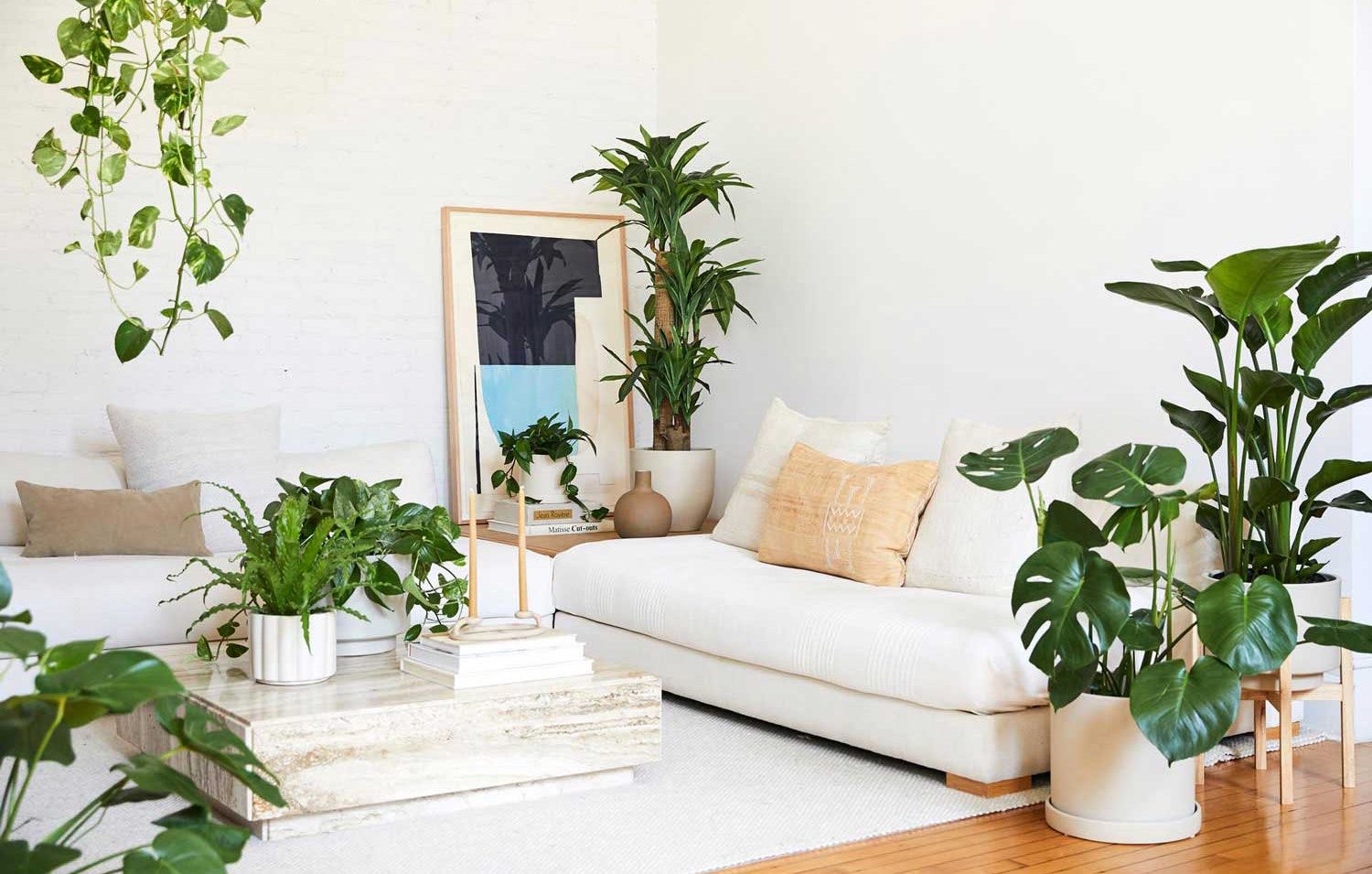
Indoor plants are a property presentation tool used by sellers and landlords who understand that buyers and tenants respond positively to a home that feels alive and well-tended. The psychological association between greenery and vitality, cleanliness, and good air quality is consistent across cultures. A living room with two or three healthy plants looks and feels better than the same room without them — even if the furniture, paint, and flooring are identical.
What Indoor Plants Do for a Property’s Presentation
Well-placed indoor plants soften hard interior surfaces — bare walls, tile floors, empty corners — that can make unfurnished or sparsely furnished properties feel cold and clinical. They add colour and organic texture that complements both neutral and bold interior colour schemes. And they signal that the property has been actively maintained and lived in.
The Best Indoor Plants for Residential Interiors
Sansevieria (Snake Plant). Among the most forgiving indoor plants available. Tolerates low light, irregular watering, and temperature fluctuations. Grows upright and architectural — effective as a floor plant in corners or alongside doorways.
Pothos. A trailing vine that thrives in most indoor conditions with minimal care. Effective on shelves and above kitchen cabinets where the trailing stems create visual interest.
Peace lily. One of the best plants for indoor air quality improvement, tolerates shade well, and produces white blooms that photograph well in listing images.
Ficus varieties. Larger statement plants appropriate for living rooms and entrance halls. Rubber plants and weeping figs create a premium feel in larger spaces.
Orchids. High-impact flowering plants appropriate for bathrooms, dining areas, and bedroom windowsills. A well-chosen orchid in a quality pot on a bathroom vanity is one of the most effective single staging elements available at very low cost.
Placement Principles for Property Staging
Plants should be placed where they resolve visual weaknesses: empty corners that look bare, surfaces that need colour, and transition zones like hallways and entrances that benefit from a welcoming element. Avoid cluttering rooms with too many plants — two or three well-chosen, healthy plants in a room are more effective than ten mediocre ones. Pots and containers matter as much as the plants: a healthy plant in a quality ceramic or wicker pot reads as an intentional design element.
Our Home Improvement Services
As part of our Home Construction and Improvement Services, we help property owners prepare their homes for sale or rental at their highest possible standard — from structural renovation through to final staging. Contact us to discuss how we can help prepare your property for market.
Selling a property and want it staged to its best advantage? We advise on the full preparation programme from structural improvements through to final staging. Get in touch.
Leave a Reply