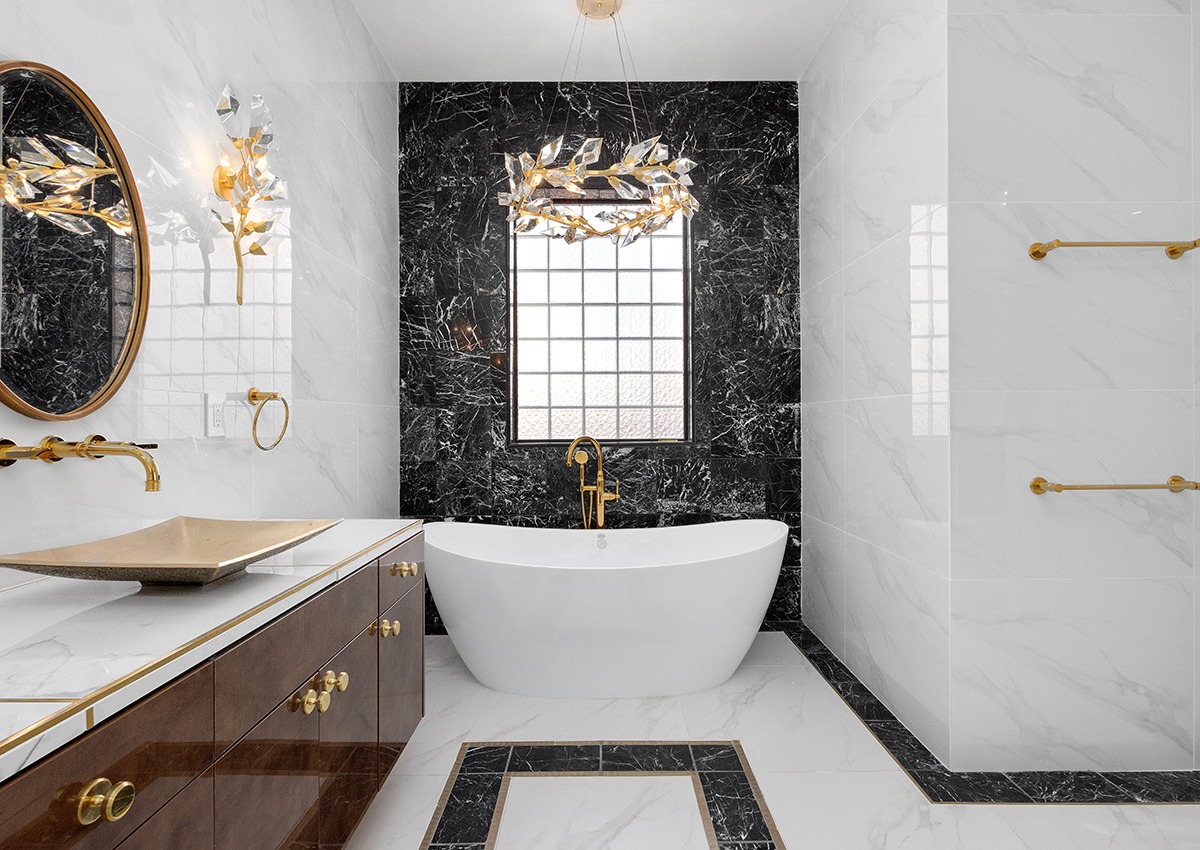
Adding a bathroom is one of the most reliably high-returning home improvements available to property owners in Kampala, Wakiso, Mukono, and Entebbe, and it holds up just as well further out in Jinja, Mbarara, Mbale, Gulu, and Masaka. The financial case is consistently compelling: an additional bathroom reduces the morning bottleneck in a busy household, increases a property’s functional capacity for a growing family, and opens the property up to a wider pool of buyers and tenants who specifically look for more than one bathroom before they’ll even consider a viewing. Few other single-room additions generate as consistent a return as a bathroom addition in a Ugandan property that is currently under-bathed relative to its bedroom count.
This guide, drawn from the bathroom addition work we carry out for property owners across Uganda, looks at bathroom addition as an investment: the value case, where the space for a new bathroom is most commonly found in a typical Ugandan home, what the work actually involves, and what it costs locally.
Looking to build or improve your house or rentals?
We offer home construction and improvement services including building, renovation, painting, tiling, plastering, landscaping, kitchen upgrades, and more.
Why an Additional Bathroom Adds Disproportionate Value in the Kampala Market
The value a bathroom addition generates relative to its cost is disproportionately high for a structural reason: buyers in Kampala, Wakiso, and Mukono shop for properties at the bedroom-and-bathroom count level. A three-bedroom house with two bathrooms competes in a genuinely different, more valuable market segment than an otherwise identical three-bedroom house with one bathroom. Bathroom-to-bedroom ratio is one of the specifications buyers filter listings by, whether they’re browsing houses in Kyanja, Ntinda, or along Entebbe Road through Seguku and Kitende — a property that crosses a threshold, from one bathroom to two, suddenly qualifies for a larger pool of serious buyers who need that specification and were previously screening the property out.
The daily value of a second bathroom is also felt immediately by anyone who’s lived without one. Two or more people trying to share a single bathroom every morning is one of the most consistently cited sources of household friction anywhere in the world, and buyers who’ve experienced it recognise the absence of that friction the moment they walk into a well-bathed property. That recognition translates directly into a willingness to pay more, and to compete more seriously against other buyers for the property.
For rental properties across Kampala, Wakiso, and Mukono, the financial impact is just as clear. A three-bedroom rental unit with two bathrooms commands meaningfully higher rent than the identical unit with one bathroom, and the premium applies to every tenancy cycle going forward, not just the first — which makes a bathroom addition one of the highest-return structural investments available to a Ugandan landlord.
Where Space for an Additional Bathroom Is Most Commonly Found in Ugandan Homes
The main challenge in a bathroom addition is finding usable space for it without triggering major structural work. In the typical housing stock we see across Kampala, Wakiso, and Mukono, a few configurations come up again and again:
Converting a storage room or walk-in closet next to the master bedroom. This is the most practical and most frequently achievable route to an en-suite. A standard walk-in closet of 3–6 square metres comfortably fits a shower, toilet, and basin — the three elements of a functional en-suite — in a compact but genuinely usable layout. Its proximity to the master bedroom also keeps the plumbing run short, which keeps the project straightforward and the cost down.
Partitioning an oversized bedroom. Many homes across Kampala and Wakiso, particularly older builds, have one unusually generous bedroom. Partitioning off a section to create a compact en-suite is often achievable without meaningfully reducing the remaining bedroom’s usability, provided the original room is genuinely large — 15 square metres or more — and the partition is positioned so both resulting spaces keep decent natural light.
Converting an underused utility room or store adjacent to a bedroom. Where a utility room or large store sits next to a bedroom zone and shares a wall with existing plumbing, converting it to a bathroom is often the cheapest route, since the pipe runs stay short.
Building a small extension. Where internal space genuinely can’t be reconfigured, a small ground-floor extension of 4–8 square metres for a shower room or guest bathroom is sometimes the only viable route. It costs more than an internal conversion — a new foundation and wall need to go in first — but it creates genuinely new floor space rather than repurposing existing rooms, which suits properties across Kampala, Wakiso, or Mukono where every existing room is already spoken for.
Looking to build or improve your house or rentals?
We offer home construction and improvement services including building, renovation, painting, tiling, plastering, landscaping, kitchen upgrades, and more.
What a Bathroom Addition Actually Involves
A bathroom addition typically involves: building or modifying walls where needed, waterproofing every wet surface before any tiling goes on, running new water supply lines and connecting waste drainage into the existing system, wiring for lighting and an extractor fan, tiling the floor and wet walls, fitting the toilet, basin, and shower, installing the shower fitting, hanging a door, and final painting and finishing.
The two elements that matter most, and where cutting corners causes the most expensive problems later, are plumbing and waterproofing. A bathroom built without proper waterproofing behind the tiles will develop moisture problems in the surrounding walls within two to three years — a particular risk given Uganda’s humidity and rainy seasons — and fixing that after the fact means stripping tiles back out, considerably more disruptive and expensive than doing it right the first time. Every connection into the existing drainage system needs to be properly sized and vented, since a poorly connected drain causes odour and slow-draining problems that become a recurring maintenance headache for the life of the bathroom.
What a New Bathroom Costs in Uganda, and What It Returns
The figures below reflect what we typically quote for bathroom addition work across Kampala, Wakiso, Mukono, and Entebbe:
- Compact en-suite (3–4 square metres — shower, toilet, basin), converted from existing space with a short plumbing run: $450–$1,300, depending on fit-out specification
- Mid-sized bathroom (5–8 square metres) with mid-specification tiling and fittings: $900–$2,200
- Premium bathroom with higher-end sanitary ware, feature tiling, and better fittings: $1,800–$4,500 and up
- Small ground-floor extension purpose-built as a shower room or guest bathroom: add roughly $500–$1,500 to the above for the foundation and wall work, depending on size
Against this, the value uplift in most Kampala-area markets from moving a three-bedroom property from one bathroom to two is commonly in the range of $3,000–$8,000 in achievable sale price — several times the cost of a compact en-suite addition. For rental properties, the rent premium from adding a bathroom is typically $30–$70 per month, generating $360–$840 per year, which recovers a standard-specification addition within roughly one to three years and keeps paying out for as long as the property is let.
Looking to build or improve your house or rentals?
We offer home construction and improvement services including building, renovation, painting, tiling, plastering, landscaping, kitchen upgrades, and more.
Getting the Addition Done Right
Bathroom additions — from space assessment through construction, plumbing, waterproofing, tiling, and fitting installation — are work we carry out regularly for property owners across Kampala, Wakiso, Mukono, and Entebbe, and further out in Jinja, Mbarara, Mbale, Gulu, and Masaka. Every project starts with a feasibility assessment of the available space and the realistic plumbing routing options before any design or cost figure is put forward, since the viability and price of the addition depends entirely on what a specific property’s layout and existing plumbing actually allow.
If you’re weighing a bathroom addition against other ways to add value or rental income, our guide on bathroom renovation for rental income covers upgrading an existing bathroom rather than adding a new one, and our guide on how renovation increases rental property value in Uganda sets this kind of addition in the context of a wider improvement plan.
Leave a Reply